
Views: 0 Author: Site Editor Publish Time: 2026-09-09 Origin: Site


The market for joint health interventions remains heavily oversaturated. Clinicians and formulation scientists constantly face a deluge of marketing hype. They must prioritize evidence-based evaluation over bold, unverified claims. You need reliable, clinical-grade data to cut through this industry noise.
Enter Chondroitin sulfate, a naturally occurring glycosaminoglycan. It serves as a crucial structural component for cartilage integrity. Your body relies on it to maintain joint elasticity and resist mechanical compression.
This guide serves as a definitive resource for evaluating this compound. We will explore its proven efficacy, safety parameters, and strict implementation criteria. You will learn exactly how to assess it for therapeutic applications or advanced product formulations.
Mechanism: Functions primarily by inhibiting pro-inflammatory pathways (like NF-κB) and reducing cartilage degrading enzymes, rather than merely "cushioning" joints.
Primary Uses: Clinically validated primarily for mild-to-moderate knee and hand osteoarthritis as a slow-acting symptom modifier.
Critical Interactions: Requires strict monitoring or avoidance when used alongside anticoagulants (e.g., Warfarin) due to potential bleeding risks.
Evaluation Criteria: Efficacy is heavily dependent on molecular weight, extraction source (bovine, porcine, marine), and pharmaceutical-grade standardization.
Many industry professionals oversimplify joint supplements. They often describe them simply as biological joint lubricants. We must move past this outdated framing. The actual pharmacological value of this compound goes much deeper into cellular biology.
It actively downregulates specific inflammatory markers in the body. It specifically targets interleukin-1 beta (IL-1β) and tumor necrosis factor-alpha (TNF-α). Furthermore, it inhibits the NF-κB pathway. This critical action prevents the inflammatory cascade before it damages joint tissue. It stops the cellular signaling responsible for chronic joint swelling.
Matrix metalloproteinases (MMPs) are enzymes that actively degrade existing cartilage. Elevated MMP levels accelerate joint destruction in osteoarthritic patients. This compound safely suppresses these destructive enzymes. It protects the structural matrix from rapid, irreversible breakdown.
It does not just defend against damage; it actively rebuilds. It stimulates chondrocytes to synthesize new proteoglycans. It also encourages your body to produce endogenous hyaluronic acid. We consider these anabolic effects vital for long-term cartilage repair.
Downregulates IL-1β and TNF-α cytokines.
Blocks the NF-κB inflammatory signaling pathway.
Inhibits cartilage-degrading matrix metalloproteinases.
Stimulates chondrocyte production of proteoglycans.
Common Mistake: Formulators often ignore cellular mechanisms. They market the compound purely as a physical shock absorber. This overlooks its primary biochemical benefits.
You must differentiate between proven clinical outcomes and exaggerated health claims. Not all joint pain responds favorably to supplementation. Proper patient selection determines clinical success.
Major rheumatology guidelines classify it as a Symptomatic Slow-Acting Drug for Osteoarthritis (SYSADOA). We measure clinical success using validated scientific endpoints. These include improvements in WOMAC pain and function scores. The compound demonstrates clear, proven efficacy for mild-to-moderate knee and hand osteoarthritis. It significantly reduces joint space narrowing over extended periods.
Clinicians often evaluate the viability of combining interventions. Combining it with Glucosamine shows positive, synergistic effects in specific patient cohorts. Pairing it with Hyaluronic acid further enhances synovial fluid viscosity. Standalone interventions work well, but strategic combinations often yield superior WOMAC score improvements.
Transparency builds long-term brand trust. You must avoid marketing this compound for unverified conditions. Current scientific consensus shows insufficient evidence for several applications.
Acute pain relief: It does not act as an immediate analgesic.
Rheumatoid arthritis: Autoimmune joint damage requires specific immunomodulatory drugs.
Severe bone-on-bone osteoarthritis: It cannot regenerate fully depleted cartilage.
General athletic muscle soreness: Its mechanisms do not target muscle tissue repair.
Best Practice: Always align your product claims with accepted SYSADOA parameters. Promising overnight pain relief damages your credibility and violates regulatory standards.
Establishing clinical trust requires absolute transparency. You must detail the adverse effect profile and contraindications openly. Risk mitigation protects both patients and product formulators.
The molecule shares distinct structural similarities with heparin. Co-administering it with Warfarin or other blood thinners creates real clinical risks. It can significantly elevate a patient's International Normalized Ratio (INR). This elevation increases the risk of unexpected bleeding events. Strict monitoring becomes mandatory when mixing these compounds. Clinicians should generally advise against this specific combination.
Most individuals tolerate the compound exceptionally well. Expected side effects remain non-severe and infrequent. They include mild gastrointestinal upset, bloating, and occasional nausea. Clinical trials show these incidence rates largely mirror placebo groups. Discontinuation due to adverse effects remains extremely rare.
Preliminary data presents conflicting views on systemic side effects. Some early reports suggest potential asthma exacerbation in susceptible individuals. Others question potential links to prostate health markers. Objective skepticism requires noting these concerns. However, definitive causal links currently remain unproven in large-scale human trials. You should still advise asthma patients to monitor symptoms when initiating protocols.
Several critical variables dictate whether an intervention will actually work. Raw material choices fundamentally alter clinical outcomes. You must understand these solution categories to source premium ingredients.
The extraction source dictates the purity and structural integrity of the compound. Bovine cartilage remains the industry standard due to optimal molecular profiles. Marine sources offer excellent alternatives but introduce potential shellfish allergy considerations. Avian and porcine sources provide varying degrees of purity and yield.
Table: Comparison of Raw Material Sources
Source Type | Structural Profile | Primary Advantages | Key Considerations |
|---|---|---|---|
Bovine | Highly consistent sulfation | Industry standard, high yield | Religious or ethical dietary restrictions |
Marine | Varied molecular weight | Excellent for non-mammalian diets | Strict allergy screening required |
Porcine | Similar to human cartilage | Cost-effective production | Dietary restrictions (Halal/Kosher) |
Avian | Lower molecular weight | High bioavailability potential | Less clinical data available |
High molecular weight heavily limits intestinal absorption. The body struggles to transport massive molecules across the gut lining. Molecular optimization acts as a key differentiator in premium formulations. Low-molecular-weight variants absorb much more efficiently into the bloodstream. They reach the synovial fluid in higher concentrations.
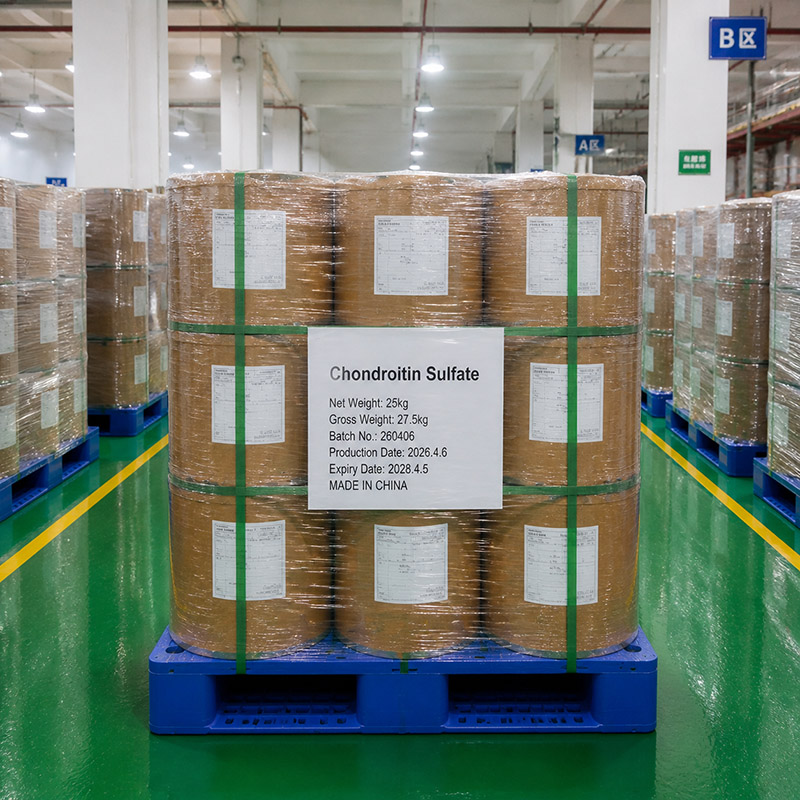
You must never compromise on raw ingredient purity. Pharmaceutical-grade standardization remains absolutely critical. Always rely on rigorous third-party testing from organizations like NSF or USP. Accurate labeling prevents adulterated or sub-potent products from reaching consumers. Formulators must source Chondroitin sulfate from reputable, compliant suppliers. Cheap, unverified imports often contain cheap fillers instead of active glycosaminoglycans.
Evaluating this ingredient requires a highly practical framework. You must determine if it fits your specific clinical protocol or product formulation goal.
Look at the target demographic first. Are they dealing with mild-to-moderate osteoarthritis? Do they take prescription blood thinners? Assess these variables carefully. The compound works best for aging populations looking to preserve existing joint structure. It does not suit younger athletes looking for acute recovery after minor sprains.
Set realistic expectations immediately. This compound requires 8 to 12 weeks of consistent daily dosing. The body needs time to accumulate the active molecules within the joint matrix. You cannot use it for acute pain relief. Educate your patients or consumers about this slow-acting timeline. This prevents premature product abandonment.
Take concrete steps to integrate this compound. B2B buyers should immediately request detailed Certificates of Analysis (COAs) from suppliers. Clinicians should consult rheumatology guidelines before initiating patient trials. Formulators must verify the molecular weight specifications with their manufacturing partners.
Best Practice: Always request heavy metal and microbial testing data before approving a new raw material batch.
This biologically active compound offers distinct, proven clinical benefits. It effectively manages osteoarthritis symptoms when properly sourced and dosed. It functions by actively halting inflammatory cellular signaling and blocking destructive joint enzymes. It is not merely a physical joint cushion.
Clinical and commercial success hinges entirely on pharmaceutical-grade quality. You must secure low-molecular-weight variants to ensure proper bioavailability. Furthermore, you must strictly adhere to known interaction guidelines, particularly regarding anticoagulant medications.
Take action on these insights today. Request a product sample from a verified supplier. Review the latest clinical trial data regarding molecular weight efficacy. Consult with a specialized formulation chemist to integrate this ingredient safely into your next joint health pipeline.
A: It typically requires 8 to 12 weeks of consistent daily supplementation. It functions as a slow-acting symptom modifier. The compound must accumulate within the joint matrix to effectively reduce inflammation and block degradative enzymes. It does not provide acute, immediate pain relief.
A: Yes, in most cases. Unlike Glucosamine, which often comes from crustacean shells, this compound is usually derived from bovine or porcine cartilage. However, marine-derived versions exist. You must carefully read the label to ensure it does not use marine sources if you have a severe allergy.
A: Yes. Advanced microbial fermentation and algal extraction methods now produce vegan-friendly variants. While less common than bovine or marine sources, these non-animal alternatives are slowly entering the premium supplement market. They offer similar structural profiles without utilizing animal byproducts.
A: No. Current scientific consensus and large-scale clinical trials show no evidence that it raises blood sugar. It does not cause insulin resistance. Diabetics can generally use it safely, though they should always monitor their baseline glucose levels when starting any new dietary supplement.


