
Views: 0 Author: Site Editor Publish Time: 2026-09-03 Origin: Site


Navigating the endless rows of joint support bottles can easily overwhelm any shopper. Dozens of flashy labels promise to restore mobility and erase aches overnight. You might rightfully question whether these products actually deliver on their lofty claims. Joint discomfort and progressive cartilage degradation significantly reduce your overall quality of life. This daily struggle drives buyers to search for verifiable, non-surgical support to maintain their active lifestyles. We must look past marketing hype and focus on scientifically backed interventions. Chondroitin sulfate serves as a naturally occurring structural component of your cartilage. We will explore an evidence-based evaluation of its real clinical benefits and strict limitations. You will also discover the exact purchasing criteria needed to select effective formulas. Let us uncover how this compound works and what you should expect from it.
Mechanism: Chondroitin sulfate helps cartilage retain water and elasticity while inhibiting enzymes that break down joint tissue.
Synergy: It is most effective when formulated alongside glucosamine, forming the foundation of premium Cartilage Support Products.
Realistic Outcomes: It is a long-term maintenance compound, not a rapid painkiller; measurable benefits typically require 8 to 12 weeks of consistent use.
Broad Application: Beyond human aging and athletics, it is highly validated as a core ingredient in Pet Joint Supplements.
Safety Profile: Generally recognized as safe with minimal side effects, though formulation quality heavily dictates absorption and results.
Articular cartilage acts as a vital cushion between your bones. It covers the ends of bones inside synovial joints. Mechanical wear, natural aging, and inflammatory responses gradually degrade this protective layer. Your body produces fewer reparative compounds as you grow older. This baseline problem leads to increased friction inside the joint capsule. You might feel this friction as morning stiffness or localized pain after exercise. Cartilage lacks a direct blood supply. Therefore, it heals incredibly slowly once damaged.
How does chondroitin sulfate actually intervene? It functions on a microscopic level through three primary pathways. First, it acts as a highly effective "water magnet." It draws fluid directly into the connective tissue matrix. This hydration maintains essential shock-absorbing properties. A well-hydrated joint matrix absorbs physical impact much more efficiently. Second, it provides the biochemical building blocks necessary for new cartilage synthesis. Your cells use these raw materials to maintain structural integrity. Third, it actively competes against degradative enzymes present in your synovial fluid. It neutralizes destructive proteins before they cause further tissue damage.
These microscopic mechanisms translate directly into tangible, macroscopic benefits. You experience reduced joint friction during daily movements. Better structural preservation means enhanced mobility over time. A healthy joint matrix allows you to stay active without constant stiffness. You can walk up stairs, garden, or lift weights more comfortably. Real-world mobility improvements significantly enhance your overall independence.
Osteoarthritis and general joint aging represent the primary use cases here. Leading rheumatology resources suggest it may benefit individuals experiencing mild to moderate joint space narrowing. We must avoid making unauthorized medical claims. However, clinical consensus points toward its role in slowing tissue degradation. It provides a supportive environment for aging joints. Many older adults incorporate it into their daily wellness routines. They use it alongside gentle exercise and weight management to protect their mobility.
Emerging applications now focus heavily on athletic recovery. High-impact athletes constantly stress their load-bearing joints. Runners, weightlifters, and field athletes demand rapid tissue recovery. Longevity experts increasingly recommend preventative tissue repair protocols. These active individuals use the compound to maintain structural integrity. They want to prevent premature wear before significant pain sets in. You do not need to be elderly to benefit from joint support. Proactive maintenance often prevents severe structural issues decades down the line.
This efficacy extends well beyond human applications. Veterinarians frequently recommend Pet Joint Supplements for aging dogs and cats. Extensive scientific research backs its use in companion animals. This widespread veterinary adoption strongly validates its biological efficacy across mammalian species. Animals cannot experience the placebo effect. Their observable improvements provide compelling evidence of real-world functionality. A senior dog climbing stairs more easily demonstrates the compound's tangible value.
Top-tier Cartilage Support Products rarely rely on a single ingredient. Orthopedic best practices emphasize the power of synergy. Glucosamine and chondroitin work exceptionally well together. Think of glucosamine as the contractor building the raw tissue. Chondroitin acts as the manager who hydrates and protects it. You need both to achieve optimal structural maintenance. Separating them often yields suboptimal clinical results. Researchers frequently study them as a combined therapeutic protocol.
Complete formulas usually include several additional co-factors. Formulators often add Methylsulfonylmethane (MSM) to reduce localized inflammation. MSM supplies biological sulfur necessary for strong connective tissue bonds. Hyaluronic acid provides extra lubrication for the synovial fluid. This added lubrication further reduces mechanical grinding. Vitamin C plays a crucial role in collagen synthesis. It acts as an antioxidant while stimulating new cell growth. These ingredients transform a basic supplement into a comprehensive protocol.
Buyers face a critical decision matrix. You must weigh single-ingredient budget options against comprehensive blends. Single ingredients cost less upfront. However, clinically dosed multi-ingredient formulations typically yield superior outcomes. We recommend prioritizing synergistic blends to maximize your investment. Spending slightly more for a complete formula usually saves money long-term. You avoid buying multiple standalone bottles and ensure maximum nutrient absorption.
Let us address common misconceptions head-on. Some aggressive marketing campaigns make physically impossible promises. Chondroitin sulfate does not magically "regrow" lost bone. It cannot reverse severe, bone-on-bone arthritis. You should run away from any brand promising an instant cure. Once cartilage completely disappears, surgical intervention usually becomes necessary. We must ground our expectations in biological reality. Supplements serve as protective and supportive agents, not miracle cures.
Managing your timeline expectations is equally crucial. Non-steroidal anti-inflammatory drugs (NSAIDs) offer immediate but temporary relief. Conversely, cartilage support compounds require significant time to accumulate in your system. You are building structural support, not just masking a symptom. Noticeable improvements typically take two to three months of daily compliance. Many users mistakenly quit taking the supplement after just three weeks. They assume the product failed when they simply needed more time. Consistency remains the ultimate key to achieving positive clinical outcomes.
We must also transparently acknowledge the existence of non-responders. A certain percentage of the population may not experience significant clinical changes. Individual genetics, baseline diet, and disease severity all play a role. Your unique biology dictates how well you process these compounds. Acknowledging this reality reinforces a trustworthy, evidence-based approach to supplementation. We encourage you to track your daily mobility levels. A simple journal helps you objectively measure your personal response over time.
Clinical dosing standards provide a clear roadmap for success. The evidence-based daily dosage usually ranges from 800mg to 1,200mg. You should consider splitting this dose throughout the day. Taking half in the morning and half at night optimizes intestinal absorption. Your digestive tract can only process a limited amount at once. Massive single doses often result in wasted, excreted material. Consistent, split dosing maintains stable blood levels for continuous tissue repair.
Bioavailability presents a significant formulation challenge. Chondroitin molecules possess a large molecular weight by nature. Low-quality sourcing often leads to exceptionally poor absorption rates. Your body simply cannot break down cheap, oversized molecules. You must seek high-quality extracts processed for maximum cellular uptake. Some advanced formulations use specific enzymes to reduce molecular size. This deliberate processing greatly enhances intestinal permeability.
The general safety profile remains remarkably benign. Most users tolerate the compound exceptionally well over long periods. However, you should note a few specific medical caveats. Mild gastrointestinal upset can occasionally occur during the first week. You can usually mitigate nausea by taking the capsules alongside food. More importantly, it may interact negatively alongside blood thinners like Warfarin. Its chemical structure closely resembles heparin, a known anticoagulant. Always consult your primary care physician before beginning a new regimen.
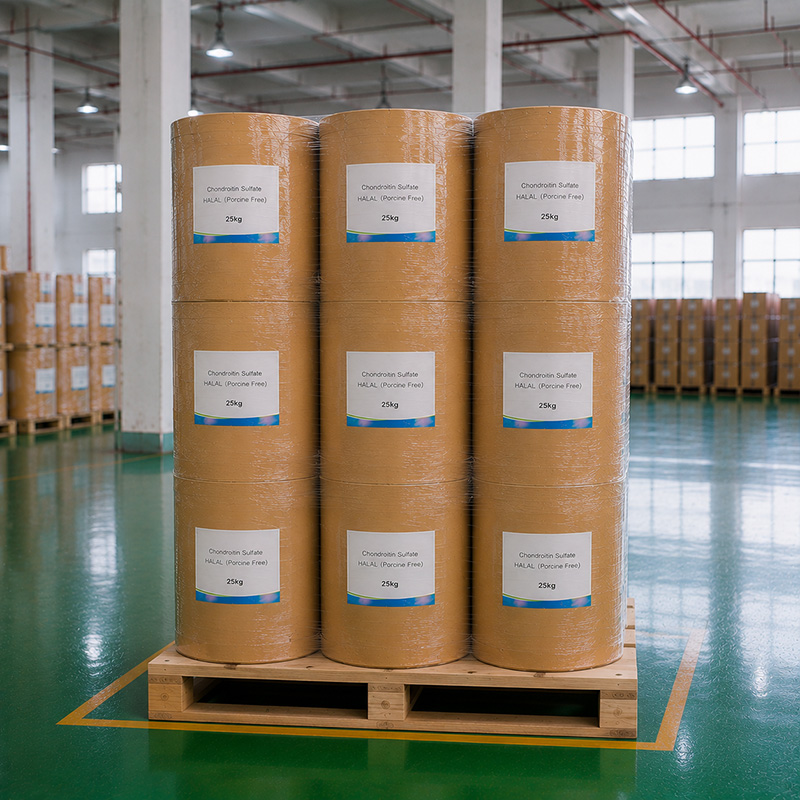
Source material heavily dictates product efficacy and purity. Manufacturers typically extract this compound from bovine, porcine, or marine and avian sources. Marine sources generally offer a lower molecular weight. This smaller size can sometimes enhance cellular absorption. You should always verify the source origin on the label. Some consumers prefer specific sources based on dietary or religious restrictions. For example, halal-certified options provide excellent alternatives for specific demographics.
Label transparency separates premium brands from cheap imitators. You must avoid products hiding behind "proprietary blends." These deceptive labels conceal the exact ingredient yield. You have no way of knowing if they included a clinical dose. Unscrupulous companies often use microscopic amounts of expensive ingredients. They rely on label dusting to fool uneducated consumers. Demand absolute clarity regarding milligram counts per serving.
Third-party testing serves as a non-negotiable trustworthiness marker. Independent lab certifications guarantee product purity. Look for NSF, USP, or established independent lab seals on the bottle. These audits protect you against dangerous heavy metal contamination. Quality Joint Health Supplements always publish their testing results openly. Transparent brands willingly share their Certificates of Analysis upon request.
Source Material Comparison
Source Type | Molecular Weight | Absorption Profile | Common Application |
|---|---|---|---|
Bovine (Cow) | Medium to High | Standard | Most common in traditional supplements |
Porcine (Pig) | Medium | Standard to Good | Frequently used in global markets |
Marine / Avian | Low | Excellent | Premium or specialized dietary formulas |
Apply this quick checklist immediately when evaluating a product page or bottle label:
Verify the exact milligram dosage (aim for 800mg–1,200mg daily) and reject proprietary blends.
Confirm the presence of synergistic co-factors like glucosamine or MSM for enhanced efficacy.
Locate a credible third-party testing seal to ensure absolute purity and freedom from heavy metals.
Maintaining joint longevity requires a proactive, scientifically sound approach. You now understand how proper hydration and enzymatic protection preserve your connective tissues over time. Selecting a high-quality, properly dosed supplement sets the foundation for better mobility. Follow these essential next steps to maximize your results:
Choose a multi-ingredient formula containing both glucosamine and well-sourced chondroitin to ensure complete structural support.
Review the product label to confirm a daily yield between 800mg and 1,200mg without relying on hidden proprietary blends.
Commit to a strict 90-day evaluation period, tracking your daily comfort levels to accurately gauge personal efficacy.
Consult your healthcare provider before starting, especially if you currently take prescription blood thinners.
A: Noticeable improvements typically require 8 to 12 weeks of consistent daily use. It functions as a structural support compound rather than an immediate painkiller. You are slowly building and protecting cartilage matrix, which demands a cumulative approach. We recommend committing to a full three-month trial before evaluating its true efficacy.
A: You can take it alone, but standalone use generally yields inferior results. Clinical evidence strongly supports their synergistic relationship. Glucosamine provides the biological building blocks to create new tissue. Chondroitin actively hydrates and protects that tissue from enzymatic breakdown. Using them together maximizes your overall joint maintenance outcomes.
A: Yes, prolonged clinical studies confirm it remains highly safe for long-term consumption. Most users tolerate it exceptionally well without severe adverse reactions. Some individuals may experience mild stomach upset initially. You should always discuss long-term supplementation with your physician, particularly if you have underlying bleeding disorders.
A: You should never give human supplements to your pets. Human formulas often contain artificial sweeteners like xylitol, which are highly toxic to dogs. Dosages also differ significantly between species based on weight. You must purchase species-specific Pet Joint Supplements to ensure absolute safety and proper biological absorption.


