
Views: 0 Author: Site Editor Publish Time: 2026-09-30 Origin: Site


Many athletes eventually unearth a forgotten tub of powder from the back of their pantry. You brush off the dust, check the label, and realize it technically expired six months ago. This scenario creates a common dilemma. Should you consume it to maximize your supplement investment? Or are you risking your health and sacrificing performance efficacy?
Dry powder supplements behave quite differently than perishable foods. They do not spoil like milk or meat. However, environmental degradation is a real factor. Humidity, heat, and poor storage habits can ruin a perfectly good supplement. In this guide, you will discover the science behind supplement stability. We will show you exactly how to inspect your supply and decide whether to keep or toss it.
Chemical Stability: Pure creatine monohydrate is highly stable and can maintain potency for 1–2 years beyond its printed expiration date if stored correctly.
The True Enemy is Moisture: Exposure to humidity causes creatine to break down into creatinine, rendering it physiologically useless (though not inherently toxic).
Hard Clumping vs. Spoilage: Minor clumping is common and usually harmless; however, discoloration or odor indicates bacterial/mold growth and requires immediate disposal.
The Replacement Threshold: If the supplement has changed in color, smell, or fails to dissolve normally, the cost of a new tub is lower than the risk of consuming compromised powder.
Supplement expiration dates often confuse consumers. The printed "best by" date typically ranges two to three years from manufacturing. This date acts as a regulatory standard for guaranteed potency. It is not a strict chemical cliff. Manufacturers use these dates to promise 100% label accuracy. After the date passes, the powder does not instantly become toxic.
Clinical stability data strongly supports its longevity. Sports nutrition experts, including consensus statements from institutions like the International Society of Sports Nutrition, show impressive stability. When kept perfectly dry at room temperature, pure creatine monohydrate exhibits near-zero degradation over multi-year periods. You can often use it safely long past the printed date.
Formulation variables change this timeline drastically. Standard monohydrate powder remains highly stable. However, liquid formats or multi-ingredient pre-workouts face different rules. Liquid suspensions trigger rapid chemical breakdown. Multi-ingredient powders introduce flavoring agents and acids. These additives degrade much faster than the active compound itself. They shorten the overall shelf life of your product.
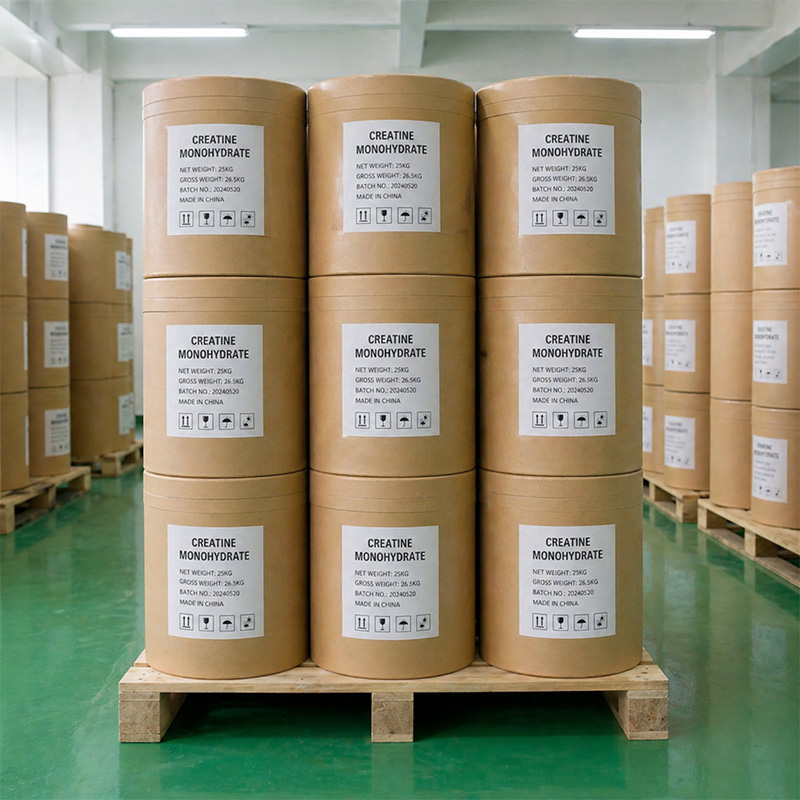
You must evaluate an expired tub carefully before consuming it. A systematic approach ensures you avoid contaminated or degraded powder. Follow this specific safety and quality checklist.
Visual Inspection (Color and Texture): Start by looking closely at the powder. Pure creatine should look stark white and finely milled. It resembles powdered sugar. Yellowing or brown specks signal severe degradation. A wet, glossy appearance serves as an automatic failure criterion. You must discard it immediately.
Olfactory Assessment (Smell): Rely on your sense of smell next. Unflavored monohydrate remains completely odorless. Stick your nose near the tub. Musty or sour odors indicate microbial growth. Chemical smells often mean plastic off-gassing from the container. Any distinct smell means the batch is compromised.
Solubility Testing: Finally, test how the powder behaves in liquid. Mix a small scoop into water. Normal powder creates temporary clumps before dissolving. If it forms impenetrable gelatinous masses, you have a problem. This behavior shows the structural integrity of the supplement has failed.
Performing these three checks takes only a minute. They provide immediate feedback on the safety of your supply. Never skip them when handling older supplements.
Moisture acts as the primary destroyer of powdered supplements. When humidity enters the container, it triggers a specific chemical reaction. This process is called hydrolysis.
Hydrolysis forces the active compound to break down into a byproduct called creatinine. Creatinine is a waste product. Your kidneys naturally filter it out of your bloodstream. Consuming this degraded byproduct poses implementation risks. You completely miss out on the intended ATP-replenishment benefits. Essentially, you are just consuming a placebo. Your workout performance will not improve.
Moisture also causes the notorious clumping problem. You must differentiate between acceptable and dangerous clumps.
Clump Assessment Chart
Clump Type | Physical Characteristics | Cause | Action Required |
|---|---|---|---|
Soft Clumps | Easily break apart when pressed with a plastic spoon. Powdery inside. | Minor static or superficial ambient humidity. | Safe to consume. Break clumps before scooping. |
Hard Rocks | Require significant force to shatter. Dense and solid throughout. | Severe moisture ingress. Advanced chemical hydrolysis. | Discard immediately. Efficacy is compromised. |
Gelatinous Lumps | Sticky, damp, or gummy texture when touched. | Direct water contact (e.g., a wet scoop was used). | Discard immediately. High risk of mold growth. |
Understanding these distinctions saves you from unnecessary waste. Soft clumps simply need a quick stir. Hard rocks mean the moisture battle is already lost.
User anxiety often peaks around the safety of expired supplements. Fortunately, the physiological outcomes are quite predictable. Consuming purely expired but bone-dry powder rarely causes acute toxicity. The active ingredient does not turn into a deadly poison over time. Your primary risk is simply a loss of workout efficacy. You will lift less weight and recover slower.
However, you must understand the true contamination vector. The danger rarely comes from the powder itself. The real threat comes from what grows inside it. Moisture introduced by wet scoops breeds trouble. Humid environments allow mold and bacteria to thrive in the powder. Ingesting these microbes poses real health risks. Foodborne illness can ruin your training schedule for weeks.
You must also consider digestive consequences. Heavily clumped or partially degraded powder taxes your digestive system. It dissolves poorly in your stomach. This increases the likelihood of mild gastrointestinal distress. You might experience uncomfortable bloating or cramping during your workout. These side effects make the older powder entirely counterproductive.
Proper storage dictates actual longevity. You can extend the life of your supplements significantly by controlling their environment.
Control the Environment: Keep your tubs away from high-humidity zones. Bathroom cabinets are terrible storage spots due to shower steam. Damp basement gyms also introduce constant moisture. Never leave tubs in a hot car. Extreme temperature fluctuations encourage condensation inside the plastic container.
Manage Air and Moisture: Manufacturers include a silica gel or desiccant packet for a reason. Leave it inside the tub. It absorbs trapped ambient moisture. Always ensure the lid is threaded tightly after every use. A loose lid invites daily humidity to degrade the powder.
Follow Handling Protocols: Never reach into the tub with damp hands. Never use a wet scoop. Even a few drops of sweat can trigger localized hydrolysis. You must introduce zero external moisture to the powder ecosystem.
Building these habits takes minimal effort. They ensure every scoop remains as potent as the day you opened it.
Deciding whether to toss a tub often comes down to return on investment. Frame your decision around performance success criteria. You take supplements to enhance athletic progress. If the current tub’s efficacy is in doubt, your progress stalls. The cost-per-serving of a fresh tub is remarkably low. Replacing a questionable supply serves as a necessary investment for your fitness goals.
If you decide to discard it, shortcut your next steps wisely. Look for specific quality markers in a new purchase. Choose a product that is third-party tested. Stick to pure, unflavored monohydrate for maximum shelf life. Ensure the packaging is sealed perfectly and includes active desiccants.
Use the following logic to make your final choice.
Binary Discard Decision Tree
Observation | Decision | Reasoning |
|---|---|---|
Powder is stark white, odorless, and perfectly dry. | KEEP | No signs of degradation or microbial growth. Potency is likely retained. |
Expired within 12–24 months and breaks apart easily. | KEEP | Chemical stability holds up well past regulatory dates in dry conditions. |
Powder shows yellow or brown specks. | THROW AWAY | Visual discoloration confirms contamination or severe breakdown. |
Smells sour, musty, or chemical. | THROW AWAY | Odor indicates mold, bacteria, or plastic leaching. Unsafe for consumption. |
Powder has formed rock-hard, unyielding masses. | THROW AWAY | Severe moisture ingress has triggered hydrolysis. Efficacy is destroyed. |
Mixed with other expired active ingredients (e.g., pre-workout). | THROW AWAY | Flavorings and acids degrade much faster, spoiling the entire mixture. |
This clear matrix removes the guesswork. It prioritizes your health and guarantees your training efforts are properly fueled.
Expiration dates on dry supplements remain highly conservative. Proper storage ultimately dictates their actual longevity in your pantry. Pure monohydrate lasts years beyond the printed date if kept away from moisture and heat.
However, you must remain vigilant about humidity and contamination. Check for off-putting odors, strange colors, and rock-hard clumps before scooping. Discard any compromised batches immediately. When in doubt, prioritize safety and guaranteed performance over saving a few dollars. Replacing a questionable tub is always the smartest choice for serious athletes.
A: Yes, it expires significantly faster. The compound degrades rapidly into creatinine when suspended in liquid for extended periods. Most liquid formulations lose their potency within days or weeks. Dry powder is vastly superior for long-term stability.
A: Moisture ingress caused the powder to bind together. When humidity enters the tub, it triggers a chemical breakdown. Soft clumps are normal, but rock-hard masses mean the product has degraded. You should discard it.
A: It is not recommended. Moving the tub in and out of cold storage creates condensation. This introduces moisture directly into the powder. Room temperature storage in a dry pantry remains the optimal environment.
A: Yes, flavored versions usually expire faster. Added flavorings, citric acid, and artificial sweeteners degrade quicker than the pure active ingredient. These additives compromise the overall stability of the mixture over time.


